Open AccessSociolinguistique
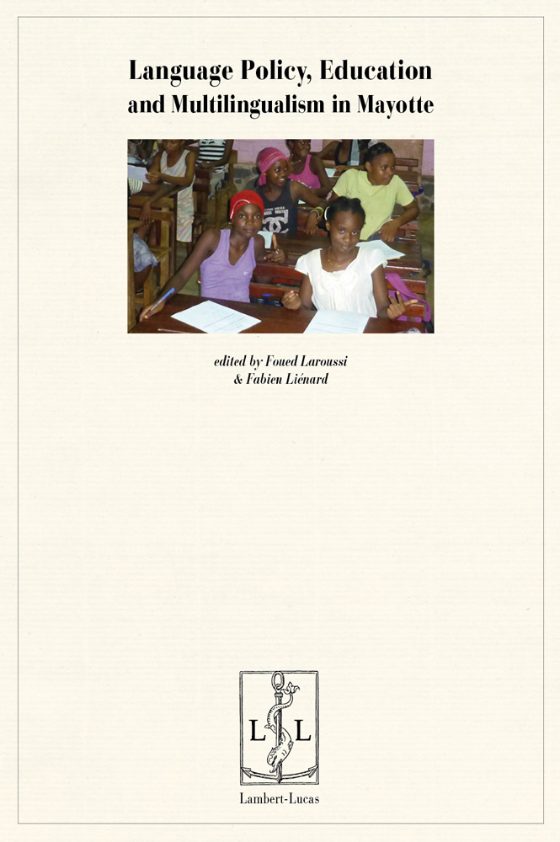
Language Policy, Education, and Multilingualism in Mayotte
(En anglais.)
Mayotte has been French since 25 April 1841. Since 31 March 2011 it has been the 101st department of the French Republic. Two main local languages are spoken there: Shimaore (a Bantu variety) and Kibushi (a Malagasy variety). French is the official language. This is the complex multilingual situation in which arises the acute problem of teaching French, the language of education, as well as the island’s vernacular languages.
If linguistic policy is seen as the context in which the complexity of social relationships in a given situation are evident and become meaningful, it must take as its perspective the island’s sustainable development. It can only be fair if of benefit to the island. Linguistic policy cannot be devised without making the necessary link with school. What will be the consequences on the education system? How is linguistic variation managed in schools? What status should be given to the vernacular languages, invariably excluded from schools?
The papers in this volume try to go some way in answering such questions and shedding light on the situation in Mayotte with regard to these major problems. Not all the papers deal exclusively with Mayotte but refer to other situations: New Caledonia, French Polynesia or French Guyana, for example.